Exercise Insights for Adults Over 40
Explore evidence-based articles, expert perspectives, and practical guidance on maintaining an active lifestyle after 40. Discover how daily routines can enhance your wellbeing and vitality.
The Science Behind 30-Minute Daily Movement
Understanding how moderate daily exercise activates key physiological systems in adults over 40, promoting cardiovascular function, muscular resilience, and metabolic balance. Learn why consistency matters more than intensity.
Read the full article

Progressive Strength Training: Building Muscle After 40
Discover how progressive resistance routines help maintain lean muscle mass, bone density, and functional strength in your daily activities. A practical guide to safe and effective strength building.

Why Active Recovery Matters: Stretching and Mobility Work
Explore the role of gentle stretching, foam rolling, and mobility exercises in supporting recovery between workouts. Learn how these practices promote flexibility and reduce muscle tension.
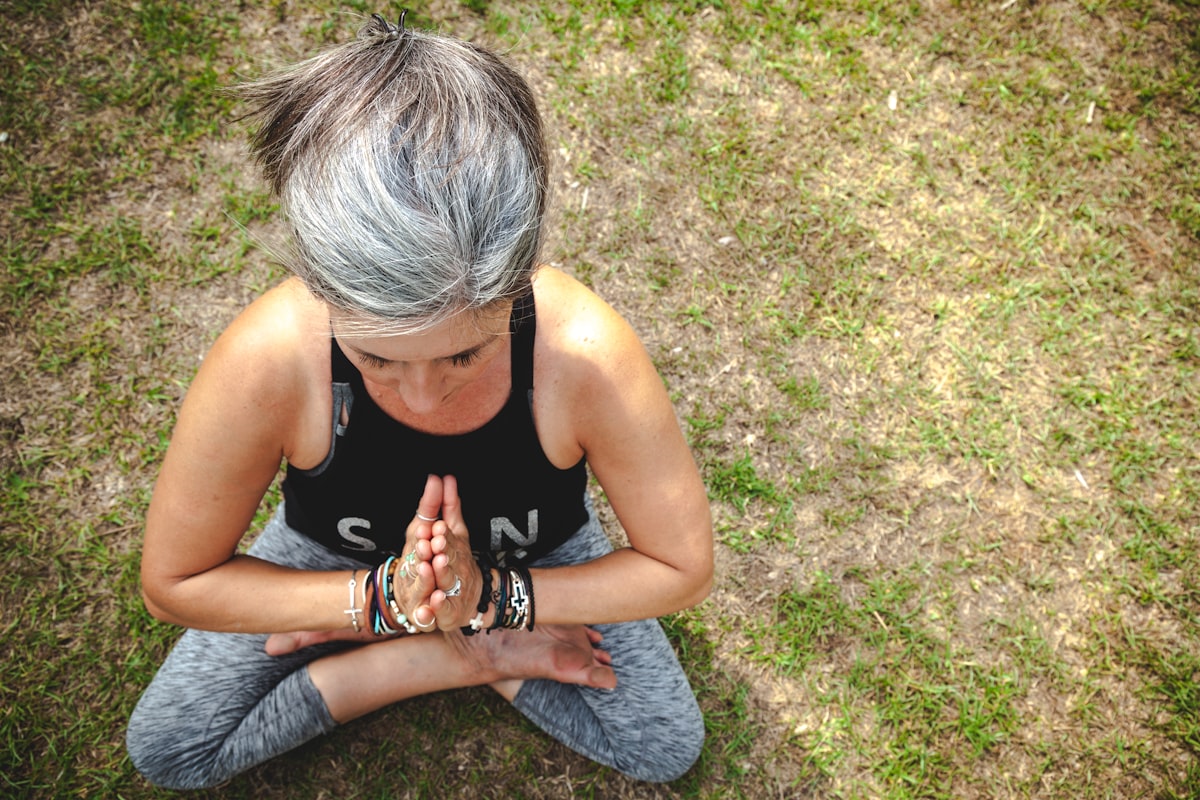
The Power of Daily Walking: Building Consistency and Endurance
Walking remains one of the most accessible and sustainable forms of movement. Understand how varying pace, distance, and terrain can enhance cardiovascular fitness and mental clarity.

Fueling Your Workouts: Nutrition for Active Adults Over 40
Learn how proper hydration, balanced macronutrients, and timing of meals support energy levels and exercise performance. Simple nutritional principles to enhance your daily routine.
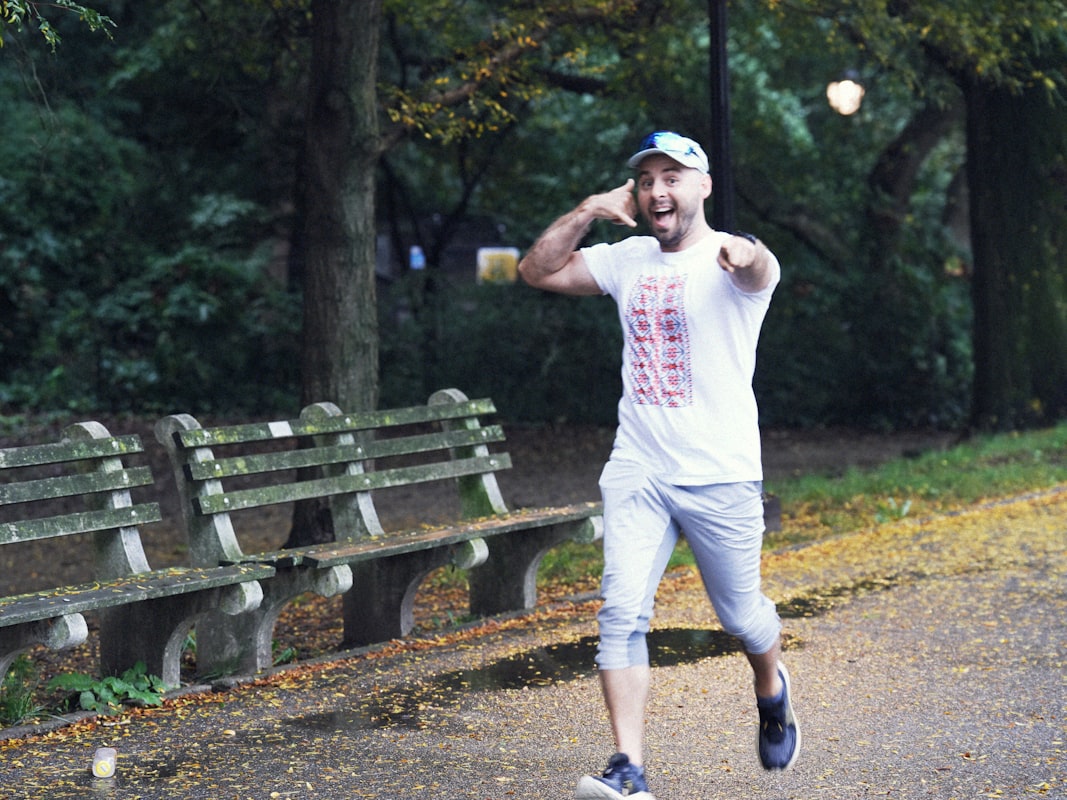
Interview: A Coach's Perspective on Habit-Building for Fitness
Our editorial team speaks with experienced fitness coaches about creating sustainable exercise routines. Discover practical strategies for building daily movement into your lifestyle.
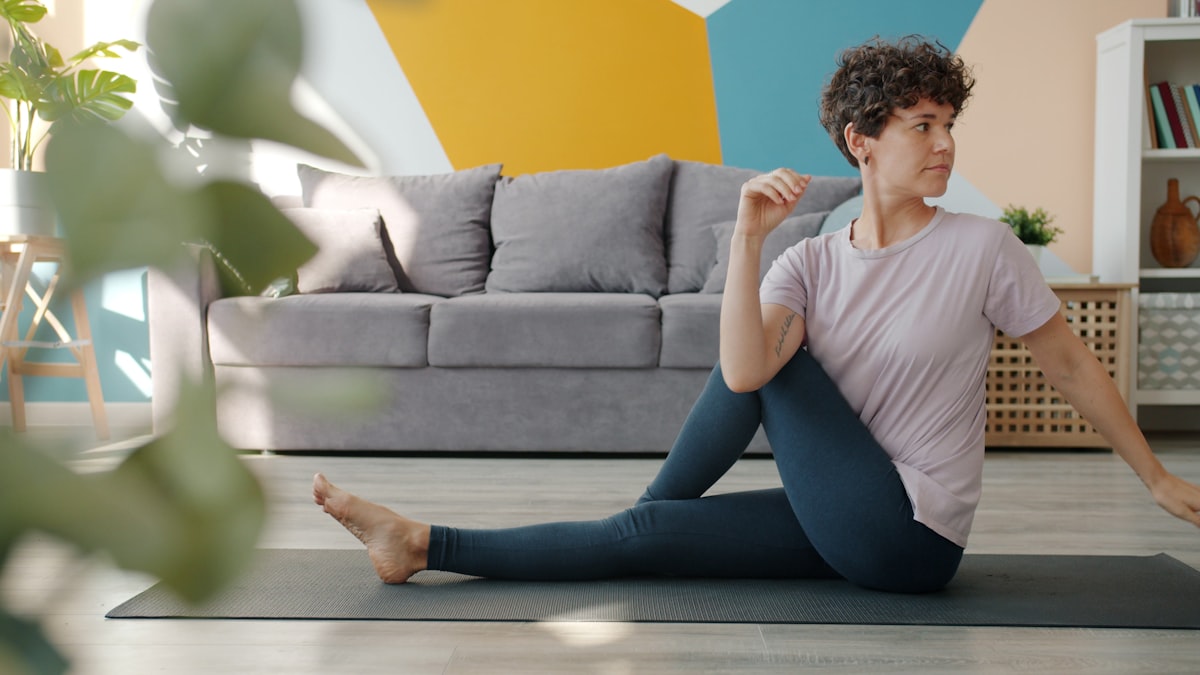
Sleep and Exercise: The Recovery Connection
Understand how exercise influences sleep quality and how adequate rest supports workout performance. Explore the bidirectional relationship between physical activity and restful sleep.
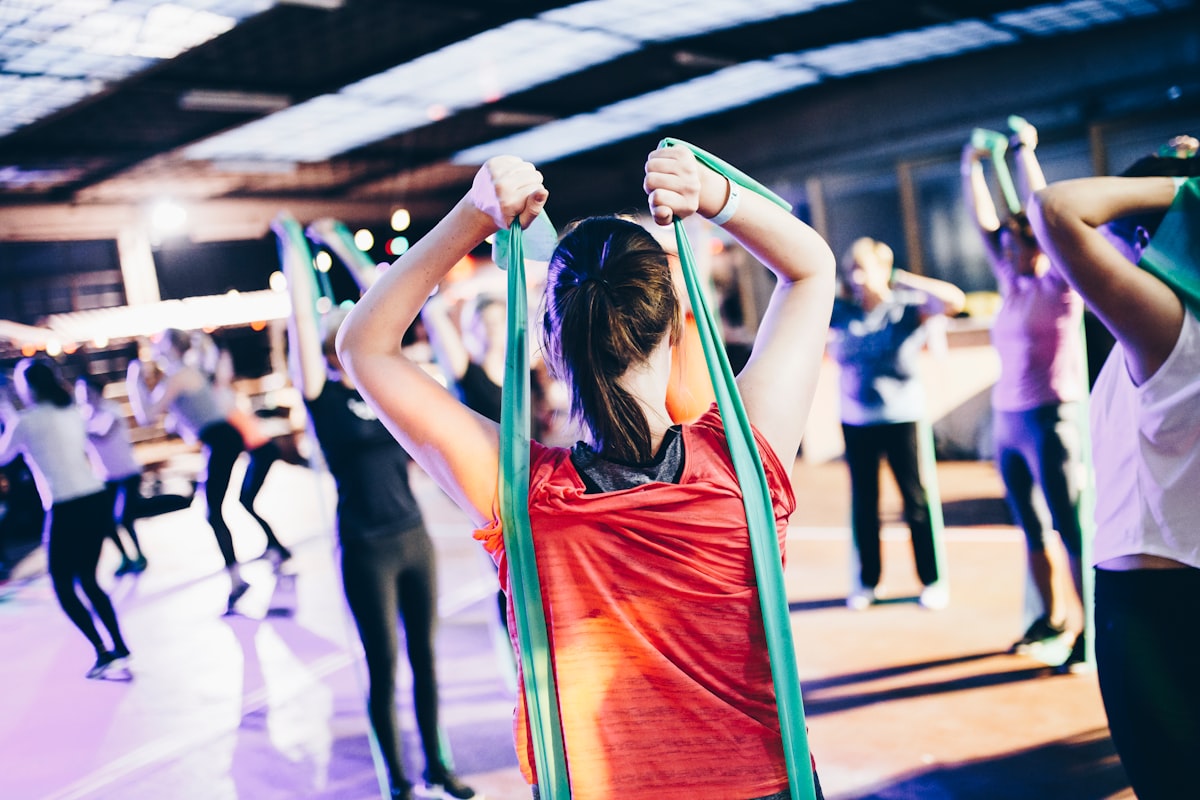
Smart Exercise Form: Preventing Injury in Mature Athletes
Proper technique and body awareness are essential at any age. Learn how mindful movement patterns, appropriate warm-ups, and listening to your body create a safer exercise experience.
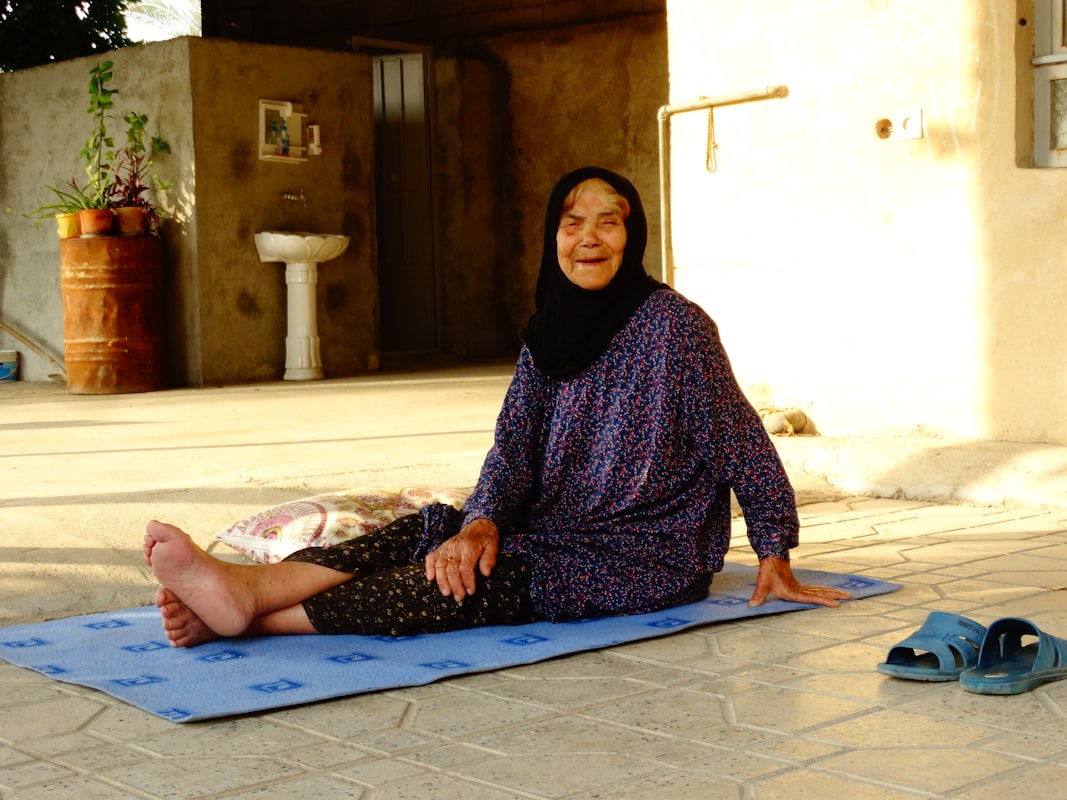
Maintaining Flexibility: Yoga and Stretching Programs
Flexibility work supports movement quality and daily function. Explore accessible yoga poses, stretching sequences, and mobility drills designed for adults over 40 seeking improved range of motion.
Discover More Exercise Insights
Browse our complete library of articles on daily routines, movement science, nutrition, and wellness strategies for active adults over 40.
Frequently Asked Questions
Common questions about exercise routines, habit building, and staying active after 40.
How much daily exercise is recommended for adults over 40?
Most guidelines suggest adults benefit from at least 150 minutes of moderate activity per week, or 75 minutes of vigorous activity, combined with strength training twice weekly. This can be broken into shorter daily sessions like 30 minutes per day. Your individual capacity may vary, so starting with what feels manageable and building gradually is often effective.
Can I start exercising if I've been sedentary?
Yes. Starting slowly with low-intensity activities like walking, gentle stretching, or beginner yoga is a sensible approach. Gradually increasing duration and intensity over weeks allows your body to adapt. Consistency matters more than intensity when building new habits. If you have any health considerations, consulting with a healthcare provider before starting is wise.
What's the best way to build a sustainable exercise habit?
Research on habit formation suggests consistency, starting small, and scheduling exercise at the same time each day works well. Pairing movement with existing routines (walking after breakfast, stretching before bed) creates positive associations. Finding activities you genuinely enjoy—whether group classes, outdoor walks, or home workouts—increases adherence over time.
How do I balance strength training with other forms of exercise?
A well-rounded routine typically includes strength work (resistance or bodyweight exercises 2–3 times weekly), cardiovascular activity (walking, cycling, swimming), and flexibility work (stretching or yoga). Alternating focuses across the week allows adequate recovery. For example: strength Monday/Thursday, walking daily, and stretching Tuesday/Friday creates balanced stimulus without overload.
How important is rest and recovery for exercise success?
Recovery is essential. During rest, your body adapts to exercise stimulus and builds resilience. Adequate sleep, hydration, and spacing intense workouts prevents fatigue and supports long-term consistency. Active recovery like gentle walking or stretching on "off" days also promotes blood flow without adding stress. Recovery is not laziness—it's a vital component of progress.
What should I do if I miss a workout or lose consistency?
Missing a single session is normal and doesn't undo progress. The key is returning to your routine without self-criticism. If life disrupts your habit, start with a shorter version—a 15-minute walk instead of 30—to rebuild momentum. Research shows that restarting after a break is easier than starting from zero because the neural pathways for the habit remain somewhat established.
Related Content & Resources
Explore additional pages and guides to deepen your knowledge on exercise routines and daily movement practices.
Daily Workout Guides
Access detailed workout descriptions, exercise progressions, and structured routines designed for adults over 40.
View guidesExercise FAQ
Find answers to common questions about fitness routines, injury prevention, nutrition, and building sustainable habits.
Browse FAQFull Blog Archive
Read our complete collection of articles on exercise science, wellness trends, nutrition insights, and lifestyle tips.
Read blogEditorial Notice: This content is for informational purposes. The articles and insights presented here are educational in nature and should not replace professional advice. For personalized guidance on exercise routines or health matters, we encourage you to consult with qualified professionals. Read our full disclaimer for more details.